
Athletic
Cats can jump up to about five times their height
Powerful hind legs and a lightweight frame let many cats leap remarkable distances relative to their body size, aiding hunting and escape in the wild.
A curated set of science‑backed and delightful tidbits about our feline friends, presented in a cozy, warm palette for an enjoyable read on any device.
Powerful hind legs and a lightweight frame let many cats leap remarkable distances relative to their body size, aiding hunting and escape in the wild.
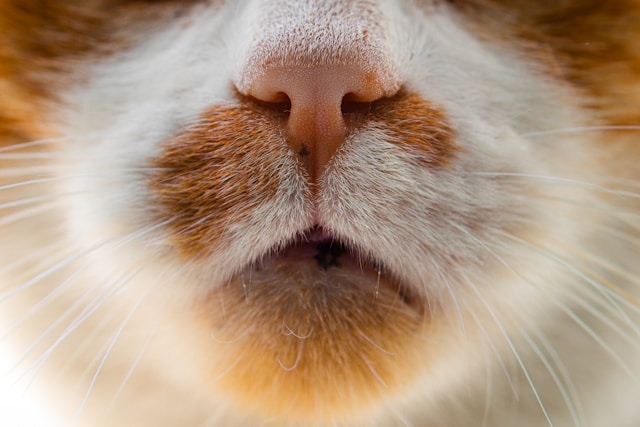
Whiskers help gauge gaps and air currents to judge where a cat can fit and improve spatial awareness during movement.
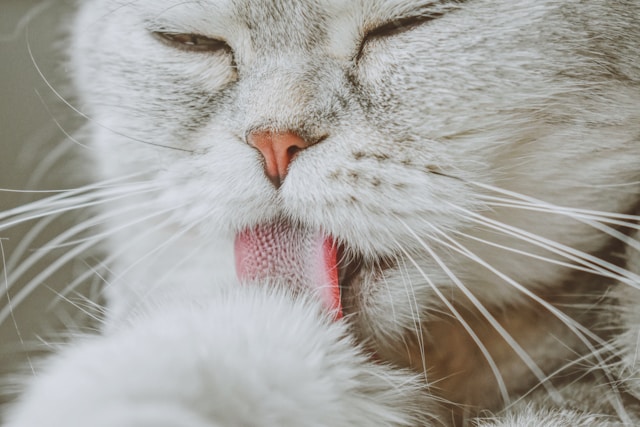
A cat’s tongue has backward‑facing keratin papillae that help detangle fur and wick moisture, keeping coats clean with minimal effort.

Cats are relatively nearsighted but excel in low light and peripheral vision, matching their crepuscular activity at dawn and dusk.
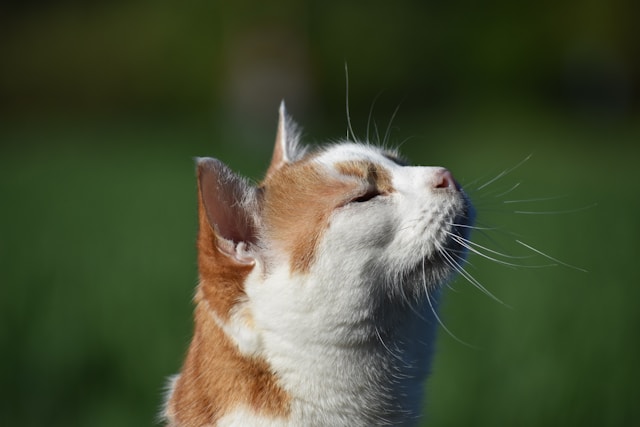
The vomeronasal (Jacobson’s) organ lets cats analyze certain airborne chemicals, explaining the open‑mouth flehmen expression when investigating smells.
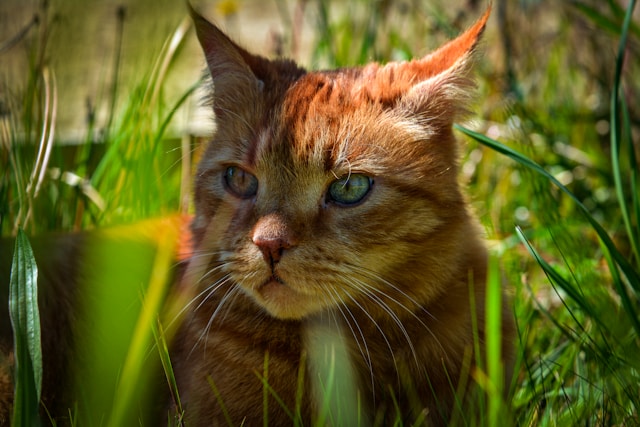
Domestic cats retain genetic and behavioral links to big cats, including stalking and pouncing patterns rooted in shared ancestry.